How to Read a TFT LCD Module Datasheet for Industrial Equipment Integration
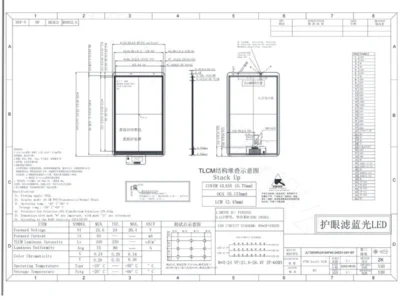
A TFT LCD module datasheet is the control document connecting enclosure design, electronics, firmware, optical requirements, environmental limits, and procurement approval. Size and resolution alone cannot determine whether a module will work with the intended equipment. Engineering and purchasing teams should read a datasheet in a fixed sequence: confirm document identity, verify mechanical fit, check…

AMOLED vs LCD: Pros and Cons Explained (Complete Guide)
When choosing a display for industrial equipment, consumer electronics, or embedded systems, one of the most common questions is: Should you choose AMOLED or LCD? Both technologies are widely used across smartphones, medical devices, automotive displays, and industrial control systems. However, they differ significantly in terms of brightness, power consumption, lifespan, cost, and application suitability.…
Understanding Industrial Display Sizes & Resolutions: A Comprehensive Guide
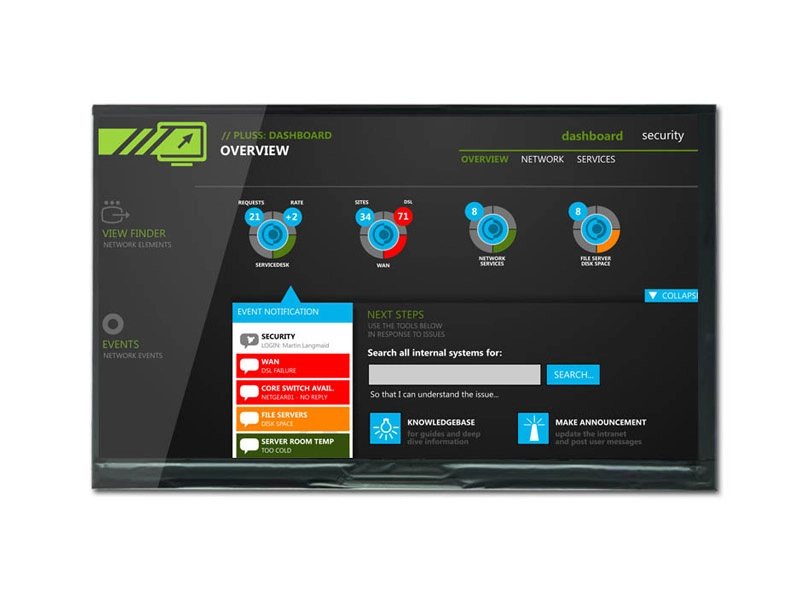
Industrial displays are widely used in HMI systems, medical devices, embedded control units, and automation equipment. Unlike consumer screens, industrial displays prioritize long lifecycle, stability, sunlight readability, and compatibility with legacy systems. One of the most important factors when selecting an industrial TFT LCD display is choosing the correct size, resolution, and aspect ratio. These…
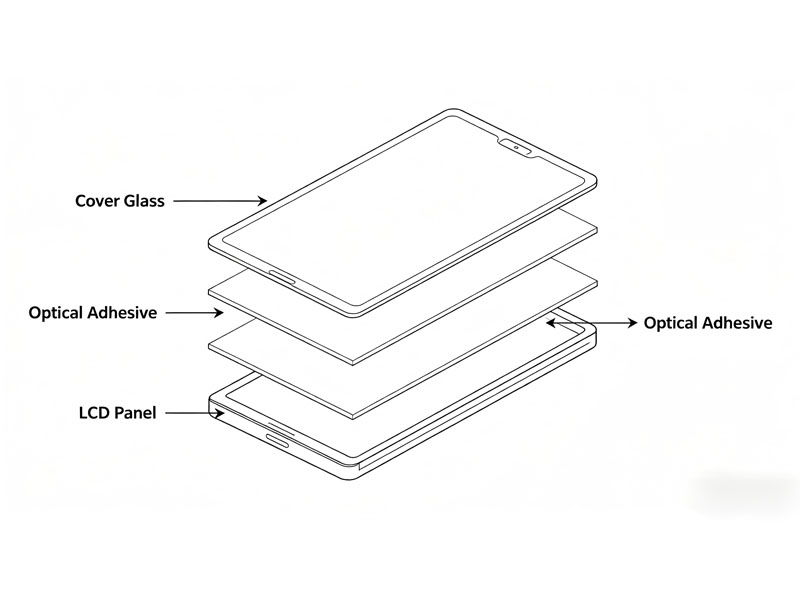
Understanding Optical Bonding: A Comprehensive Guide
As display technologies continue to evolve, modern industrial and commercial applications demand better screen visibility, higher durability, and improved touch performance. This is especially important for outdoor equipment, medical systems, automotive displays, marine devices, and industrial control applications. Optical bonding technology has become one of the most effective methods for improving TFT LCD display performance…
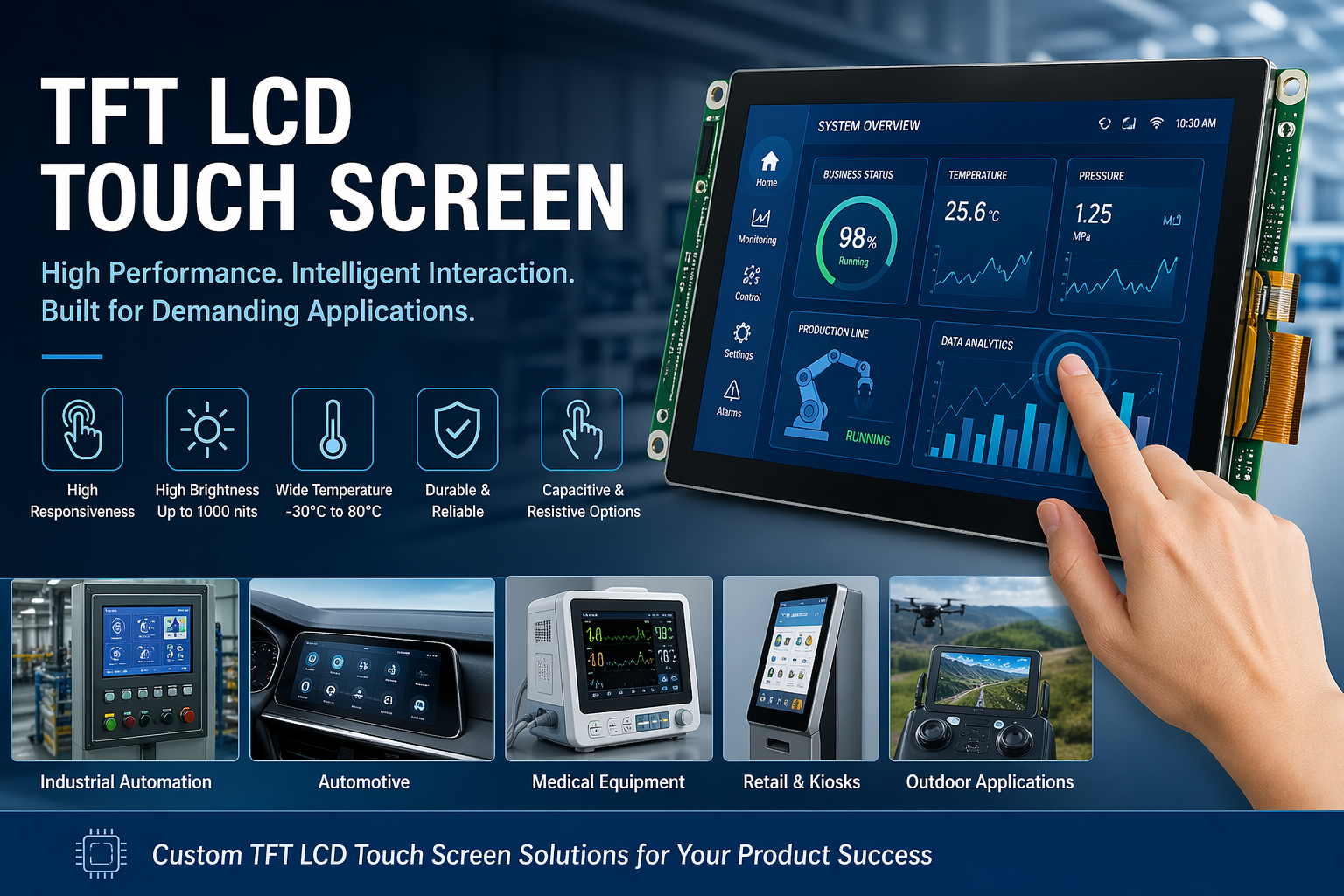
Industrial TFT LCD Touch Screen: A Complete Guide to Technology, Benefits, and Applications
In today’s interactive world, touchscreens are no longer optional—they are essential. From industrial control systems to medical devices and automotive displays, TFT LCD touch screens have become the standard interface for modern equipment. By combining high-quality visuals with intuitive touch functionality, these displays enable faster operation, improved user experience, and reliable performance in demanding environments.…
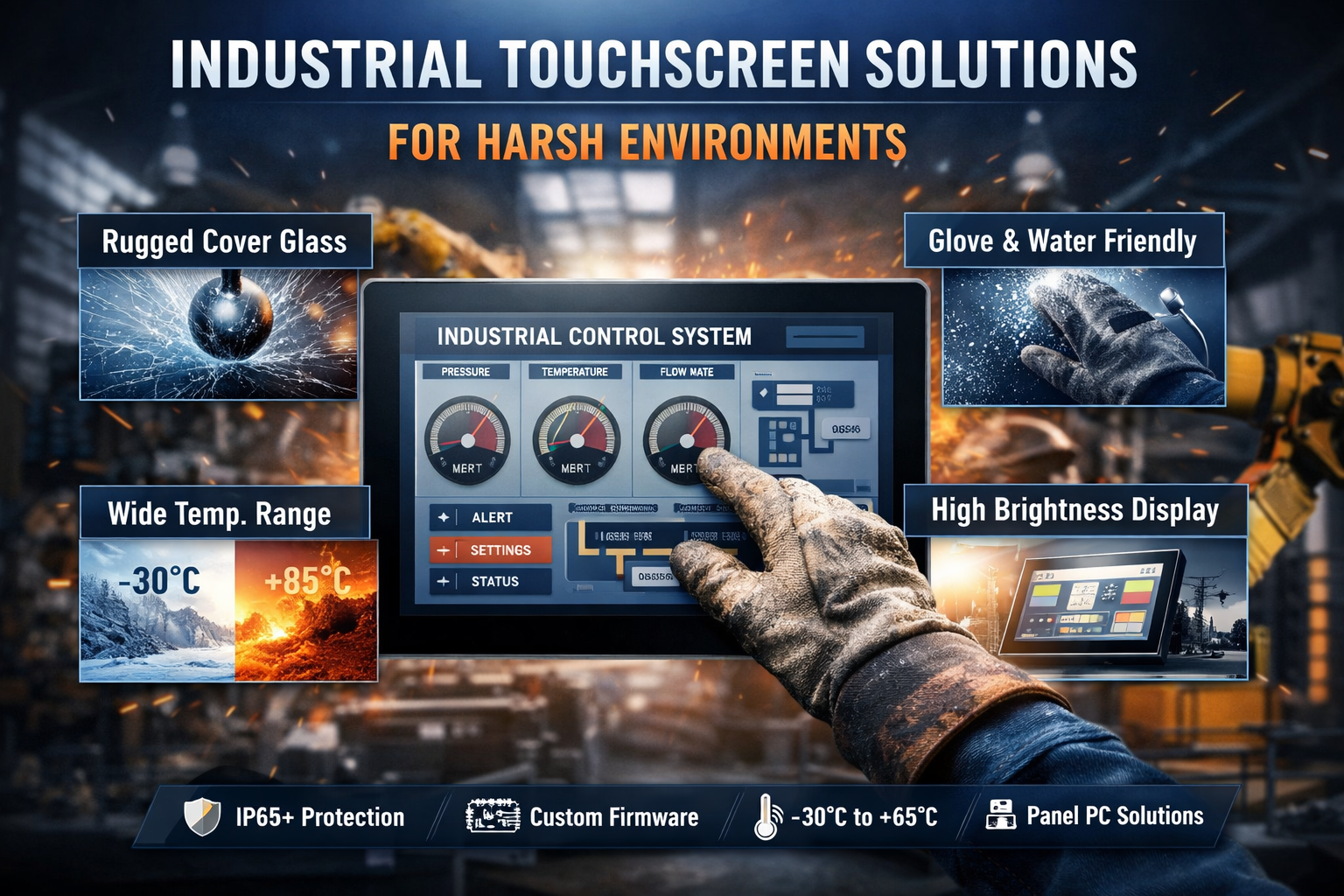
Industrial Touchscreen Display Design: Key Factors for Reliable Performance in Harsh Environments
As industrial systems continue to evolve under Industry 4.0, the demand for smarter, more reliable human-machine interfaces (HMIs) is rapidly increasing. From factory automation and control systems to portable industrial equipment, touchscreen displays are becoming the standard interface. However, designing a touchscreen for industrial applications is far more complex than adapting consumer-grade solutions. Harsh environments,…
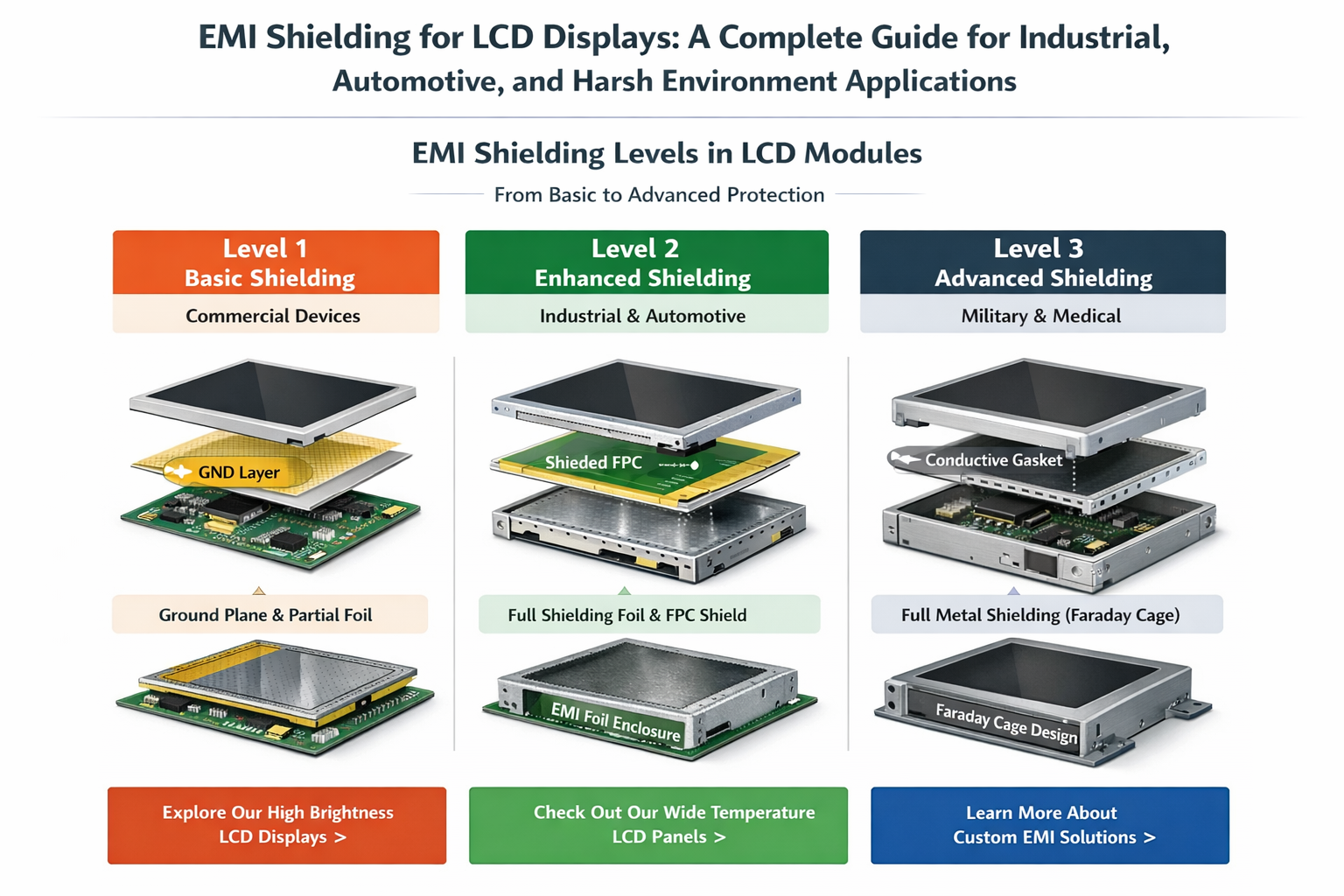
EMI Shielding for LCD Displays: A Complete Guide for Industrial, Automotive, and Harsh Environment Applications
Introduction Electromagnetic interference (EMI) is one of the most common yet underestimated issues in display integration. Whether in industrial control systems, automotive electronics, or outdoor equipment, poor EMI design can lead to: Screen flickering Touch malfunction Signal instability System-level certification failure This guide provides a complete overview of EMI shielding in LCD modules — including…
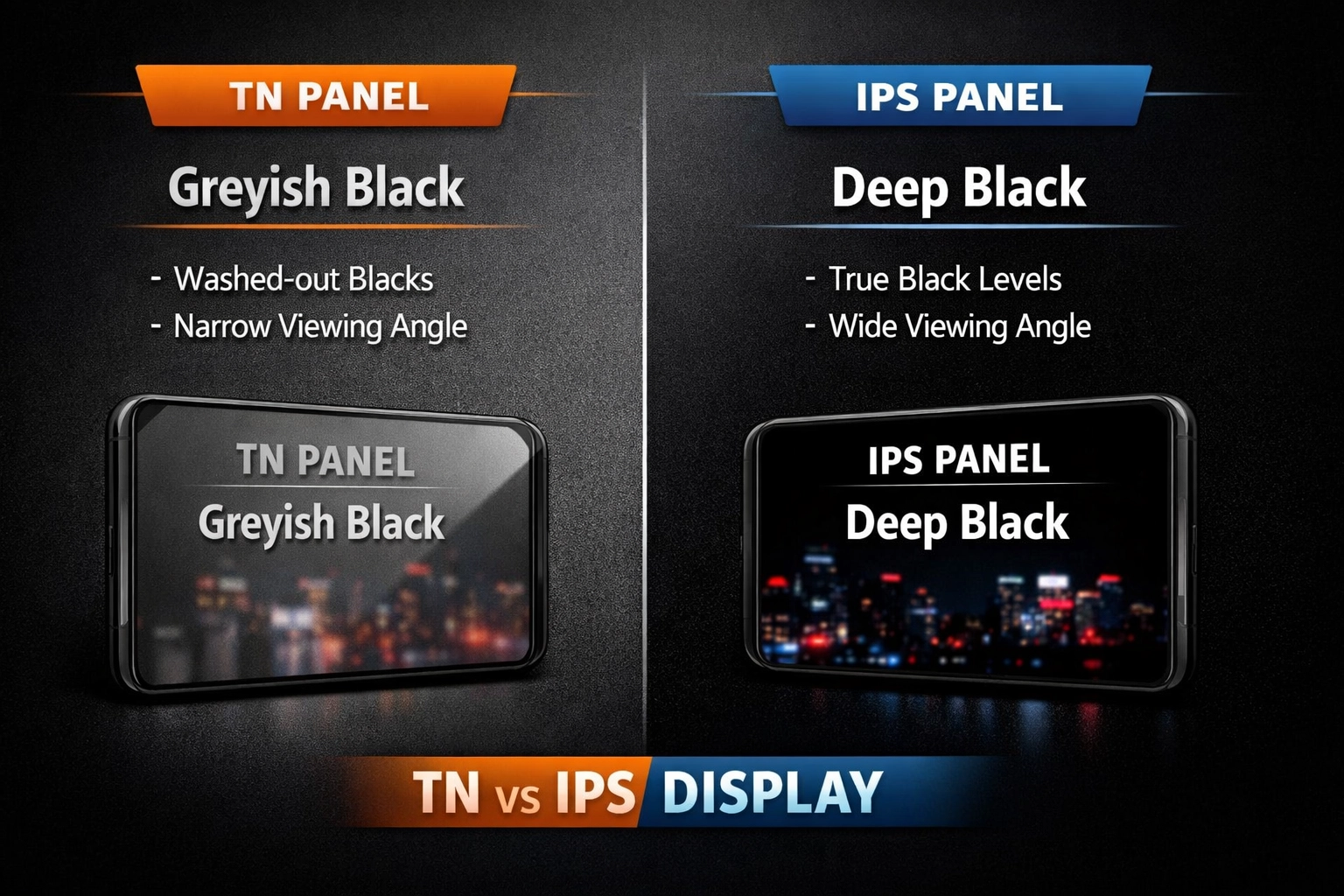
Why Does Your TFT Display Look Grey on Black? TN vs IPS Explained
Many customers come to us with the same question: “Why does the black screen look grey instead of true black?” At first, this may seem like a display quality issue.But in most cases, it is not a defect — it is related to the type of LCD panel being used. In this article, we’ll explain:…
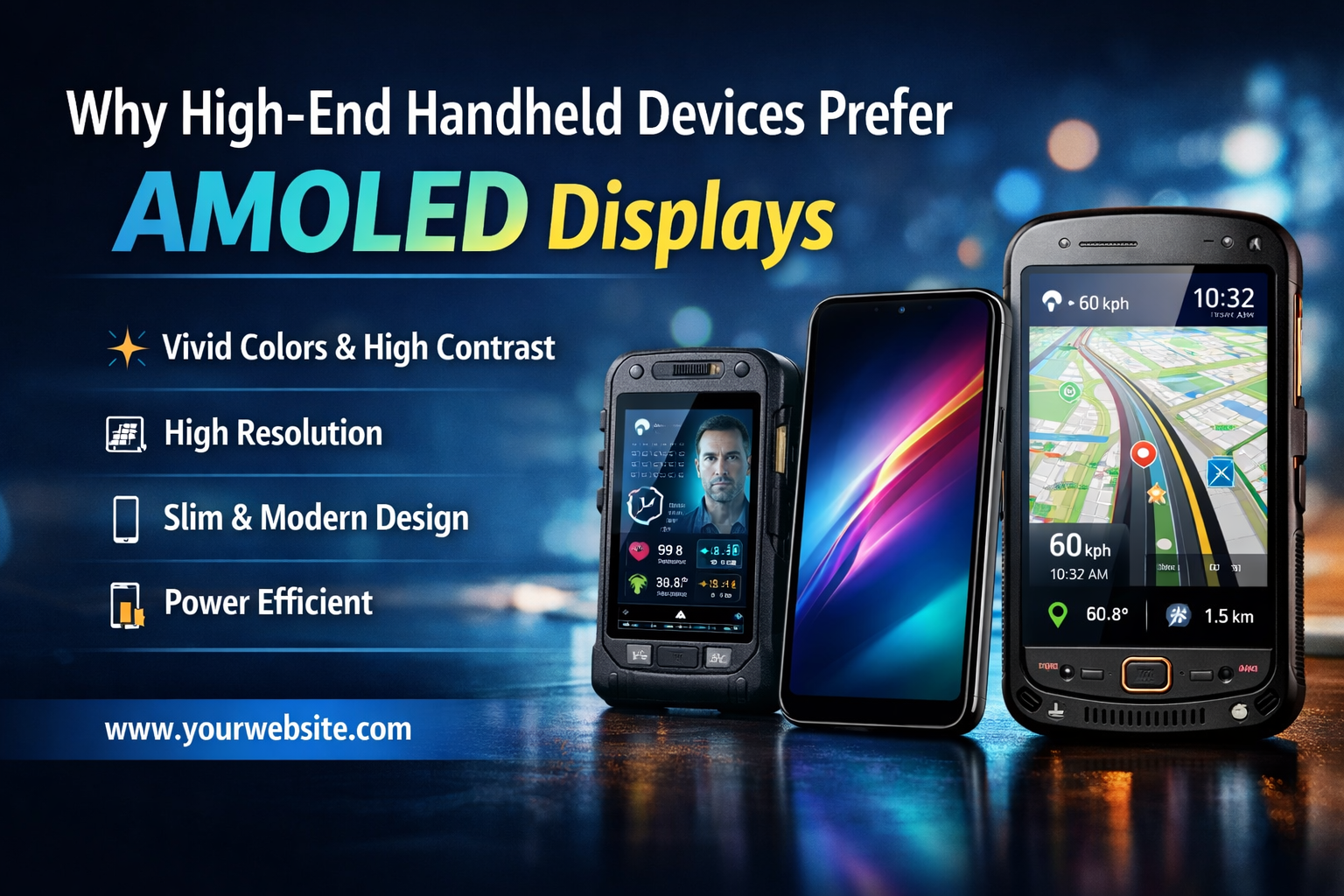
Why High-End Handheld Devices Prefer AMOLED Displays?
In recent years, high-end handheld devices—from industrial PDAs to medical terminals and smart control units—have been rapidly evolving. Users no longer accept basic display performance; they expect smartphone-level visual experience, sleek design, and better power efficiency. As a result, more and more premium devices are switching from traditional LCDs to AMOLED displays. But why is…
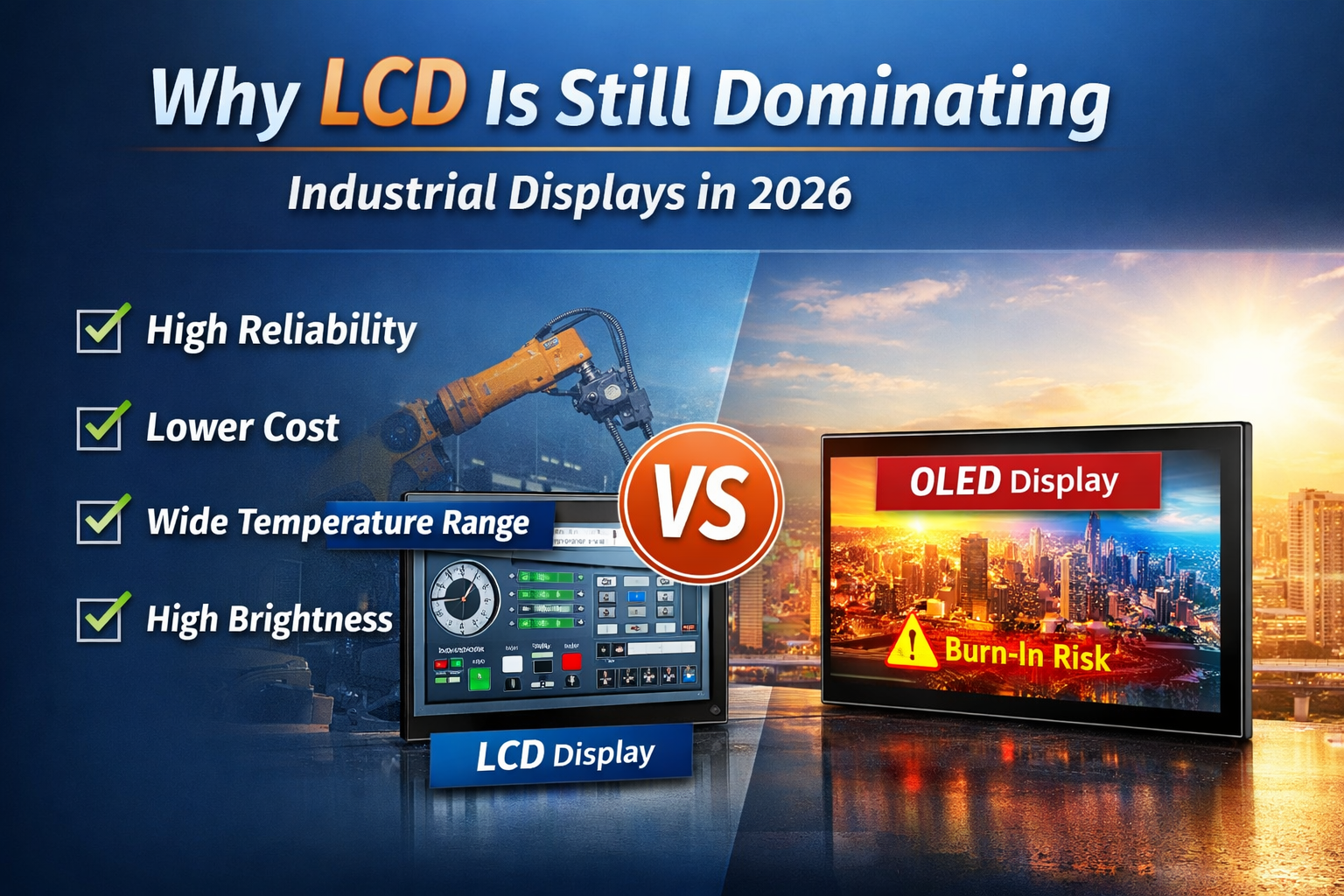
Why LCD Is Still Dominating Industrial Displays in 2026
Display technology has evolved rapidly over the past decade. OLED screens have become popular in smartphones, televisions, and consumer electronics thanks to their vibrant colors and deep contrast. However, when it comes to industrial applications, LCD technology still remains the most widely used display solution. From industrial automation systems to medical equipment and outdoor devices,…
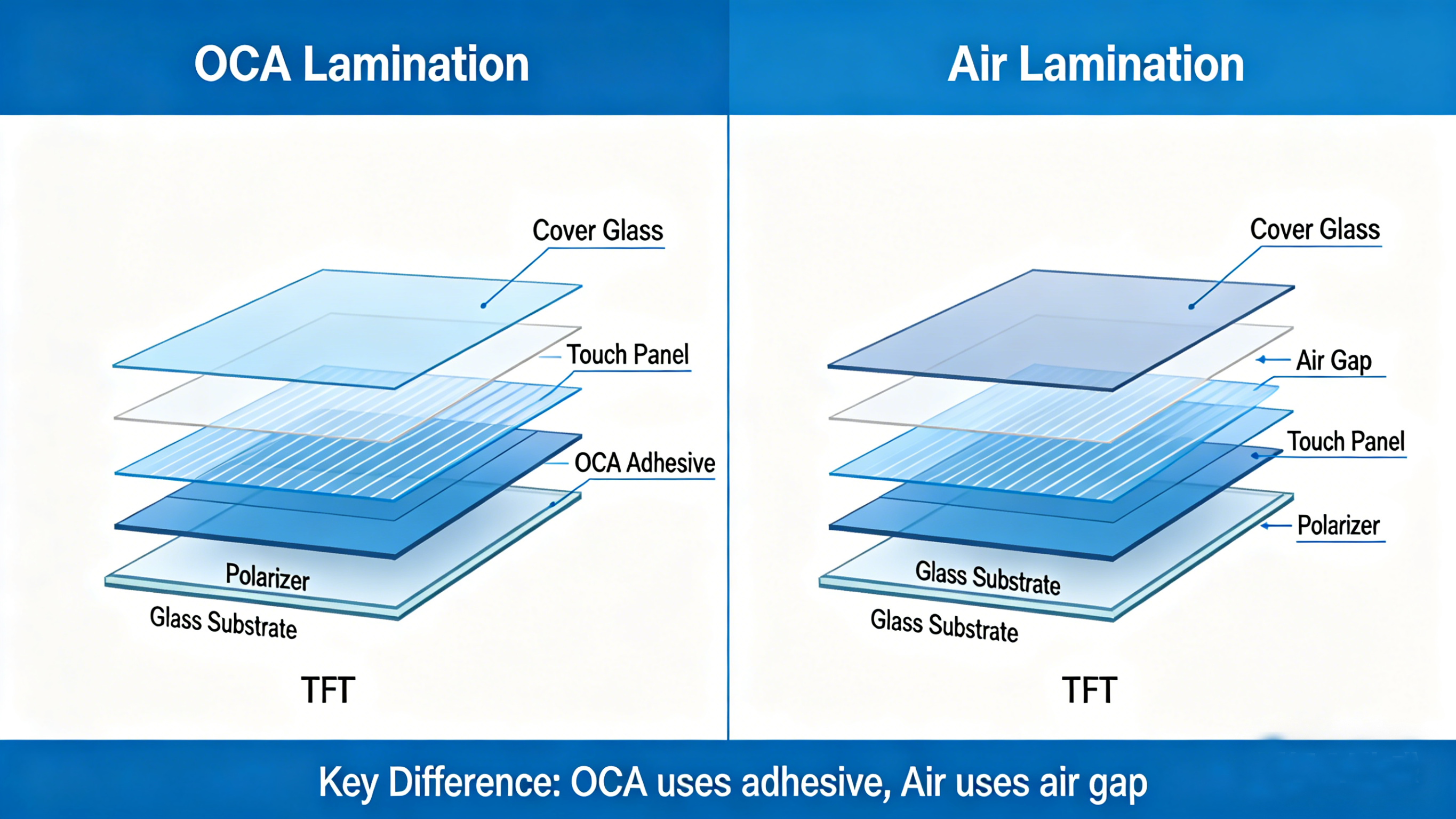
OCA Bonding vs Air Bonding: Which Display Technology Is Better for Industrial Applications?
When selecting an LCD display for industrial equipment, many buyers come across two terms: OCA Bonding display and Air Bonding display. Both technologies are commonly used in display modules, but they work in different ways and offer different benefits. Understanding the difference can help you choose the right display for your product, especially if the device will be…
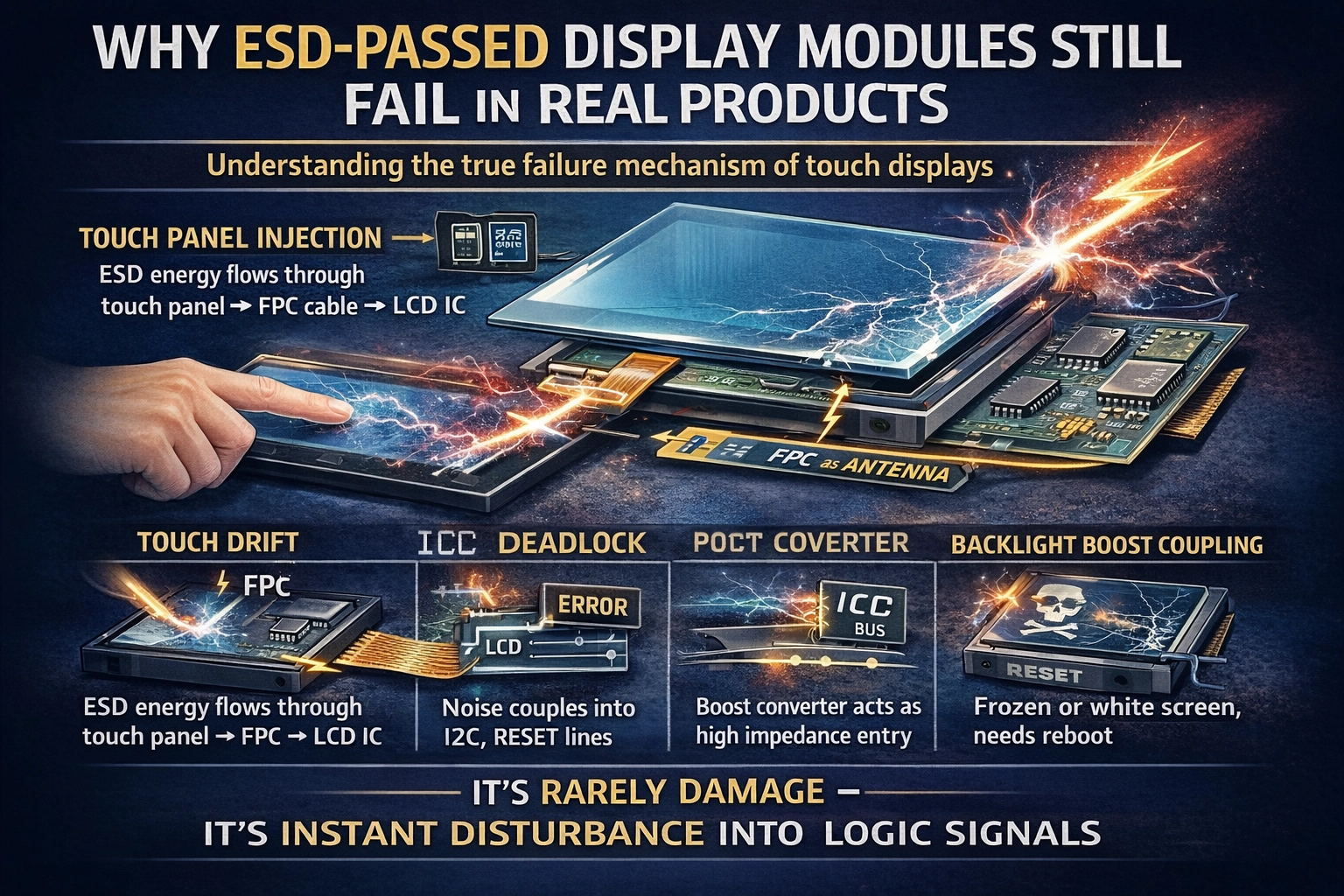
Why ESD-Passed Display Modules Still Fail in Real Products
The problem is rarely voltage — it is system disturbance A common situation in HMI projects: The display module passes ±8kV contact discharge in the lab.But after integration into the final device: Random white screen Touch drifting I2C locked Device reboot Works again after power cycle The display is not damaged.Yet the product is unreliable.…

All Cases
Display solutions proven in real deployments.
Automotive Electronics
Wide-temperature panels for clusters, infotainment and charging interfaces.
View all Automotive Electronics cases →Industrial Control
Rugged, long-life display solutions for automation, HMI and production equipment.
View all Industrial Control cases →Medical Equipment
Clear, dependable displays for patient monitors, diagnostics and portable devices.
View all Medical Equipment cases →Displaysell Blog
Find ideas and perspectives from industry trends to display solutions here
Need Help?
Get a Quote
Product & Tech Support
Connect With Us

