
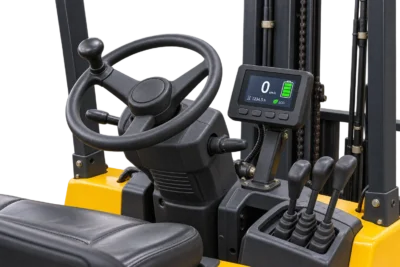
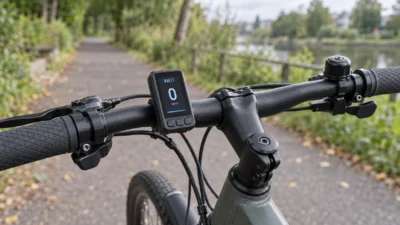
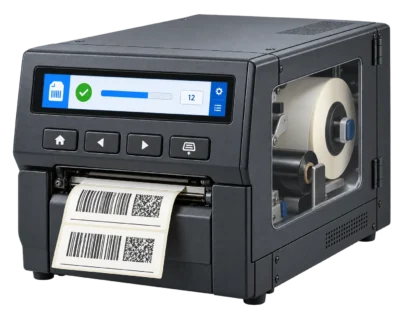
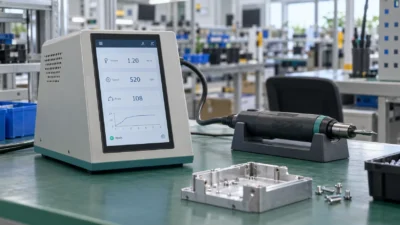
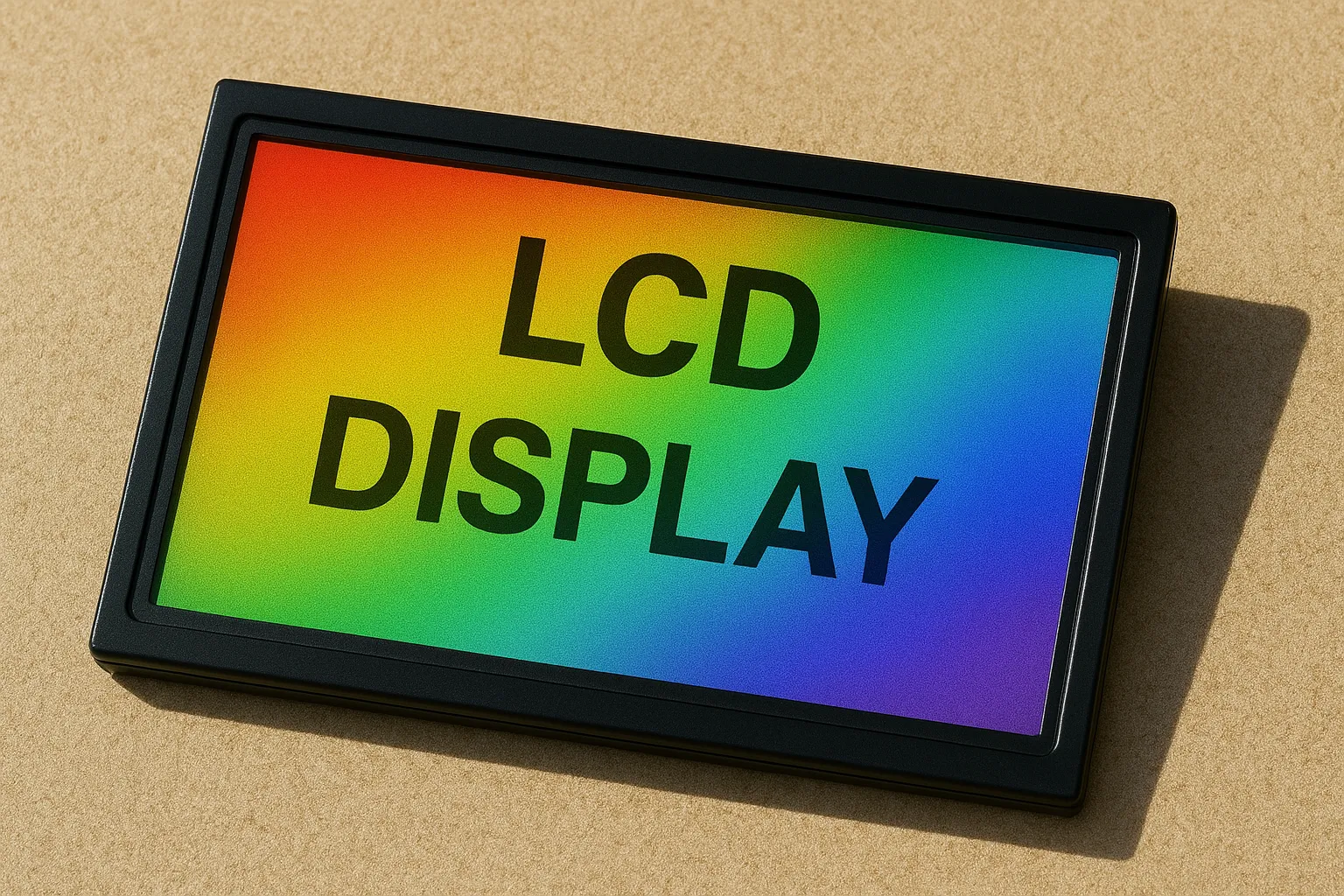
In outdoor scenarios, the lighting environment under direct sunlight is the "ultimate test" for display screens. At noon, the sunlight illuminance can easily exceed 100,00 lux, which is more than 10 times the illuminance of a typical office environment. The intense light not only creates dazzling reflections on the screen surface but also "drowns out" the light emitted by the screen itself—just like lighting a candle under the noonday sun, where the faint glow is completely overpowered by natural light. Under such conditions, ordinary displays often suffer from washed-out images, lost details, or even total illegibility, severely impairing the user experience.
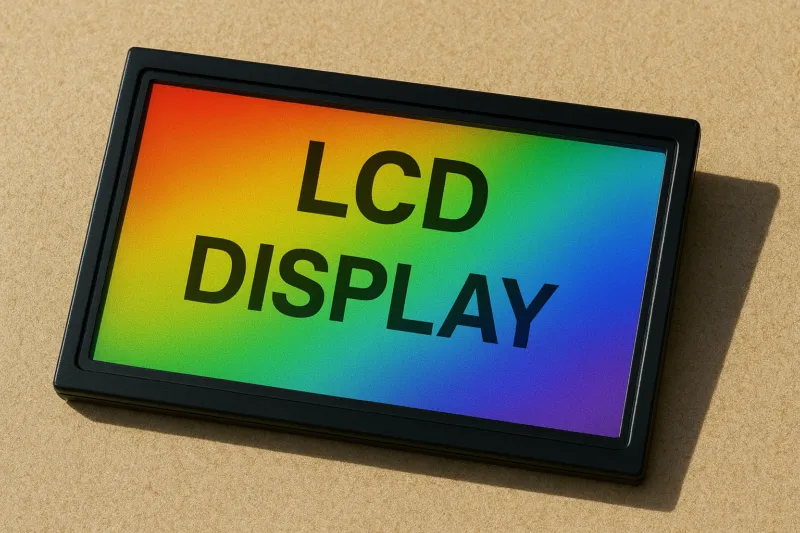
For sunlight readable tft displays, to maintain clear visibility for TFT displays in such extreme environments, the first hurdle to overcome is brightness. The screen's own brightness must be sufficient to "compete with" intense light, allowing the image content to penetrate the reflected light and be perceived by the human eye. Practice has shown that only when the screen brightness reaches over 600 nits can it form an effective visual impact under sunlight—this value is 3-5 times the brightness of indoor displays. Achieving high brightness often relies on optimized backlight modules, such as using multiple high-power LED beads, increasing the backlight drive current, or incorporating efficient light guide plate designs to ensure uniform and strong light projection onto the screen surface. It is worth noting that simply increasing brightness must also balance power consumption and heat dissipation to prevent overheating or shortened lifespan due to prolonged high-load operation.
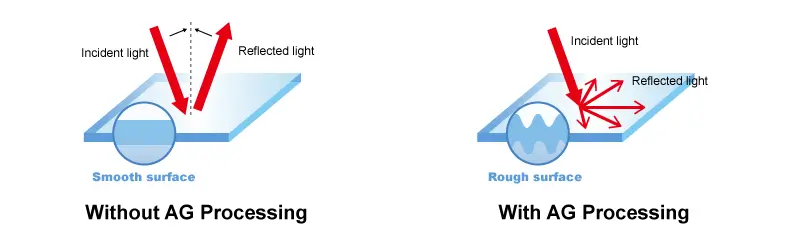
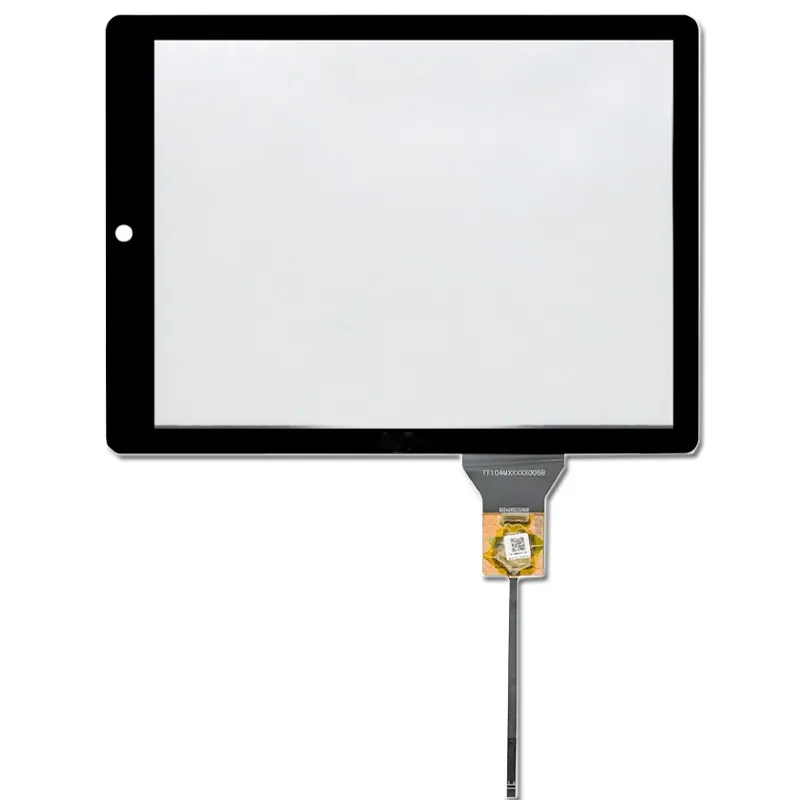
Secondly, the surface treatment technology of the cover glass for sunlight tft is equally crucial, with Anti-Glare (AG) treatment being the core solution. AG technology involves micro-structural processing of the cover glass surface (such as sandblasting, chemical etching, etc.), causing incident sunlight to undergo diffuse reflection rather than specular reflection like a mirror. The surface of an AG-treated screen exhibits a slight roughness, which scatters reflected light in different directions, significantly reducing the intensity of "glare" perceived by the human eye. Meanwhile, high-quality AG treatment does not excessively compromise screen clarity and light transmittance, striking a balance between anti-reflection and image fidelity. Some high-end products also incorporate Anti-Reflection (AR) coatings to further reduce light reflectivity, forming "dual protection" with AG treatment to enhance visibility.
In addition, the screen's contrast ratio and viewing angle also affect the viewing experience under sunlight. High-contrast panels can make dark areas darker and bright areas brighter, highlighting image layering under strong light; while wide-viewing-angle technologies like IPS ensure that when users view the screen from an inclined angle, there is no color shift or brightness degradation. For outdoor equipment, these detailed optimizations complement high brightness and AG treatment, jointly building a "visibility defense line" for TFT displays under sunlight.
In conclusion, to ensure that TFT displays can be "seen clearly" under sunlight, a brightness of over 600 nits is the fundamental guarantee, AG cover glass treatment is the core anti-reflection solution, and when combined with features like high contrast and wide viewing angles, they can truly achieve clear display in outdoor scenarios, providing reliable visual support for navigation devices, outdoor advertising screens, and industrial control terminals.
Sunlight-Readable TFT Display FAQs
Is a panel's rated brightness enough to decide whether it will be readable outdoors?
Measure readability through the finished cover under the expected ambient light and viewing angles. Use actual text and warning graphics at the intended dimming settings. Record panel luminance, reflections and enclosure temperature during the test.
When should we compare anti-glare and anti-reflection finishes on the same TFT?
Compare both when direct reflections obscure text or when fine image detail matters. Review haze, clarity and apparent reflections through the actual touch and cover stack. Test at the viewer's positions, including angled sunlight.
What do I need to check before increasing backlight current for better outdoor visibility?
Confirm the allowable drive range with the exact module specification. Measure current, power and temperature at the planned brightness inside the closed unit. Review dimming behavior and the effect on the intended service life with the supplier.

