
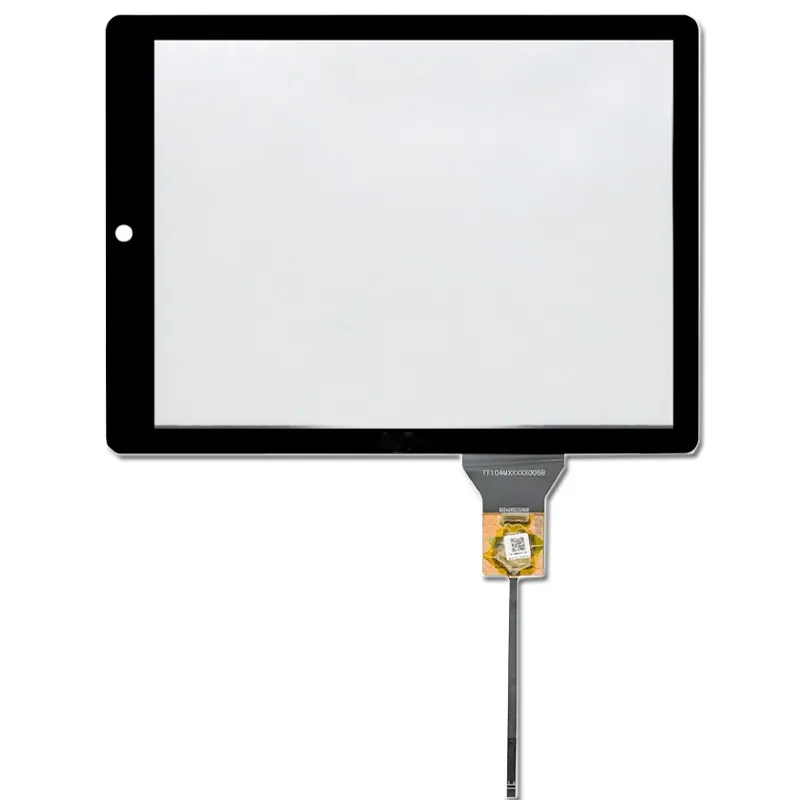
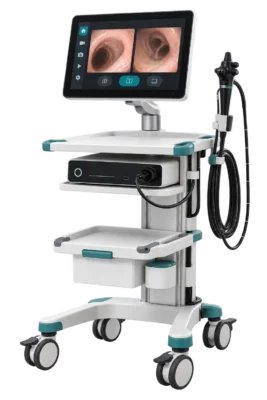
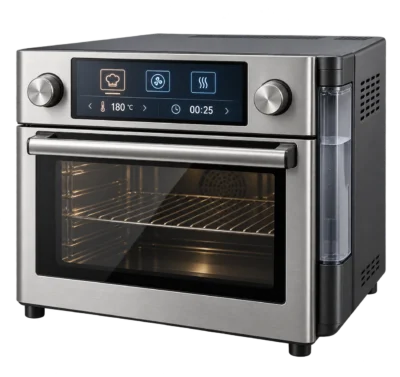





I often get inquiries from customers asking for an OLED display.But after a few questions, it turns out they actually need an LCD display.
When I first joined the industry, I was also confused.So today, let’s break down the difference between LCD and OLED in a simple way.
Lcd or OLED, remember this first:The core difference is how they light up.
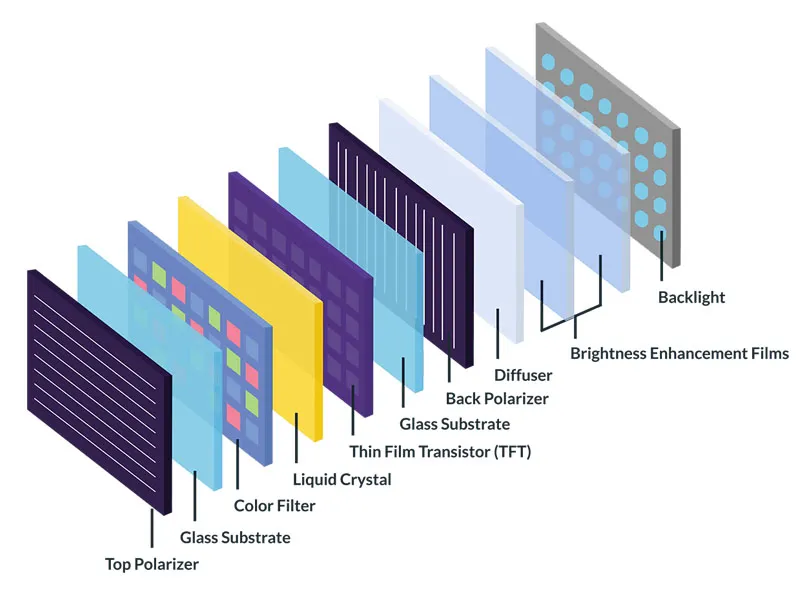
LCD – Needs Backlight to Shine
LCD stands for Liquid Crystal Display.
It doesn’t create its own light. It “borrows light” from a backlight, usually LED.
Think of it like reading a book — you need a lamp to see the words.
Behind the LCD screen, there’s a backlight layer (many tiny “lamps”).
Then comes a liquid crystal layer — like millions of tiny gates that open or close to let light through.
Finally, a color filter layer turns the white light into red, green, and blue.Because LCD uses one unified light source, brightness is even, and the screen is stable over time.
It’s a bit thicker, but very reliable.
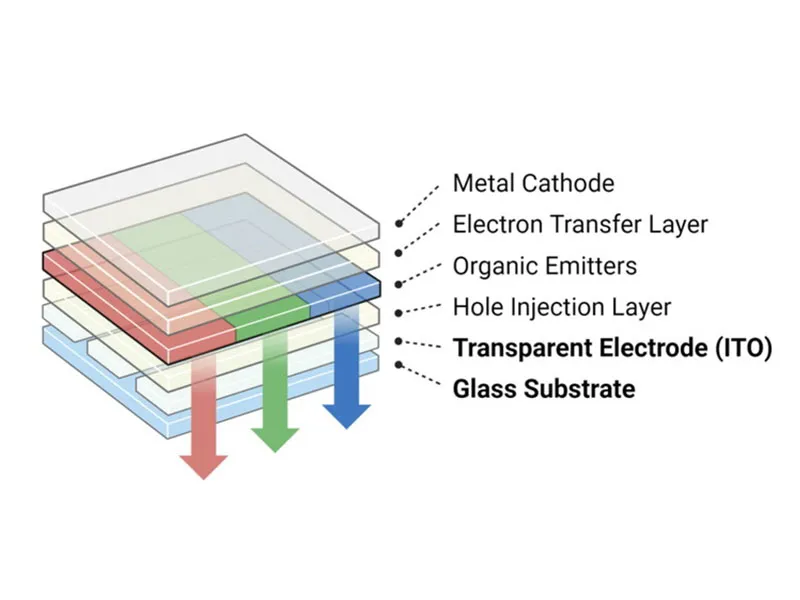
OLED – Self-Emitting Pixels
OLED stands for Organic Light-Emitting Diode.Each pixel can emit light by itself — no backlight needed. Imagine a blackboard covered with tiny RGB lights.
Turn on one light, that pixel glows; turn it off, it’s dark.
That’s why OLED screens are super thin, flexible, and show vivid colors.
But every pixel has its own lifespan.If the same image stays too long, it may leave a burn-in mark (also called image retention).
How to Choose Between LCD and OLED?
It depends on your application.
✅ Choose LCD when the device runs long hours or faces harsh environments:
In-vehicle displays (wide temperature range)
Industrial control panels (24/7 operation)
Outdoor displays (need high brightness)
✅ Choose OLED when you want the ultimate look and ultra-thin design:
High-end smartphones
Premium consumer or industrial devices
We’ve been providing LCD display solutions for over 15 years.Many new buyers make mistakes simply because they don’t know these differences.
For example:
Using OLED in a car display — ends up blacking out under summer heat.Using standard LCD for outdoor signage — too dim under sunlight.
Just tell your supplier your use scenario, and a professional team can match you with the right display for your product.
LCD vs OLED Selection FAQs
How do I choose an LCD or OLED for a device that switches between dark and bright screens?
Run both kinds of screen at a similar usable brightness using your actual content. Check how well each reproduces dark details and small text, and measure power during bright and dark screens. Compare results using the proportion of time users spend in each view.
Does an OLED's lack of a backlight guarantee it will fit a thin enclosure?
Compare the complete outline and section drawings. Include the touch or cover stack, adhesives, flex path, connector and mounting provisions. Verify clearance with the assembled unit and check that your host supports the chosen panel.
What should I include when asking for LCD and OLED options for the same device?
Share the available opening, interface, operating environment, viewing conditions, content type and target quantity. Tell us which items are fixed, such as an existing controller or enclosure. That helps us compare modules you can actually integrate.

