Medical Innovation: Custom 3.5-inch High-Resolution Laryngoscope Display
In the medical device field, "accurate reproduction" is key for clinical diagnosis. Especially in invasive procedures like laryngoscopy, 1:1 display of lesions on the screen directly affects diagnostic accuracy. Today, we want to share the story behind a custom 3.5-inch LCD module for a medical client. It’s not just a technical breakthrough, but proof of our "customer-centric" customization capability.
Core Product Parameters
| Item | Specification |
| Model | 91-03521-BH1 |
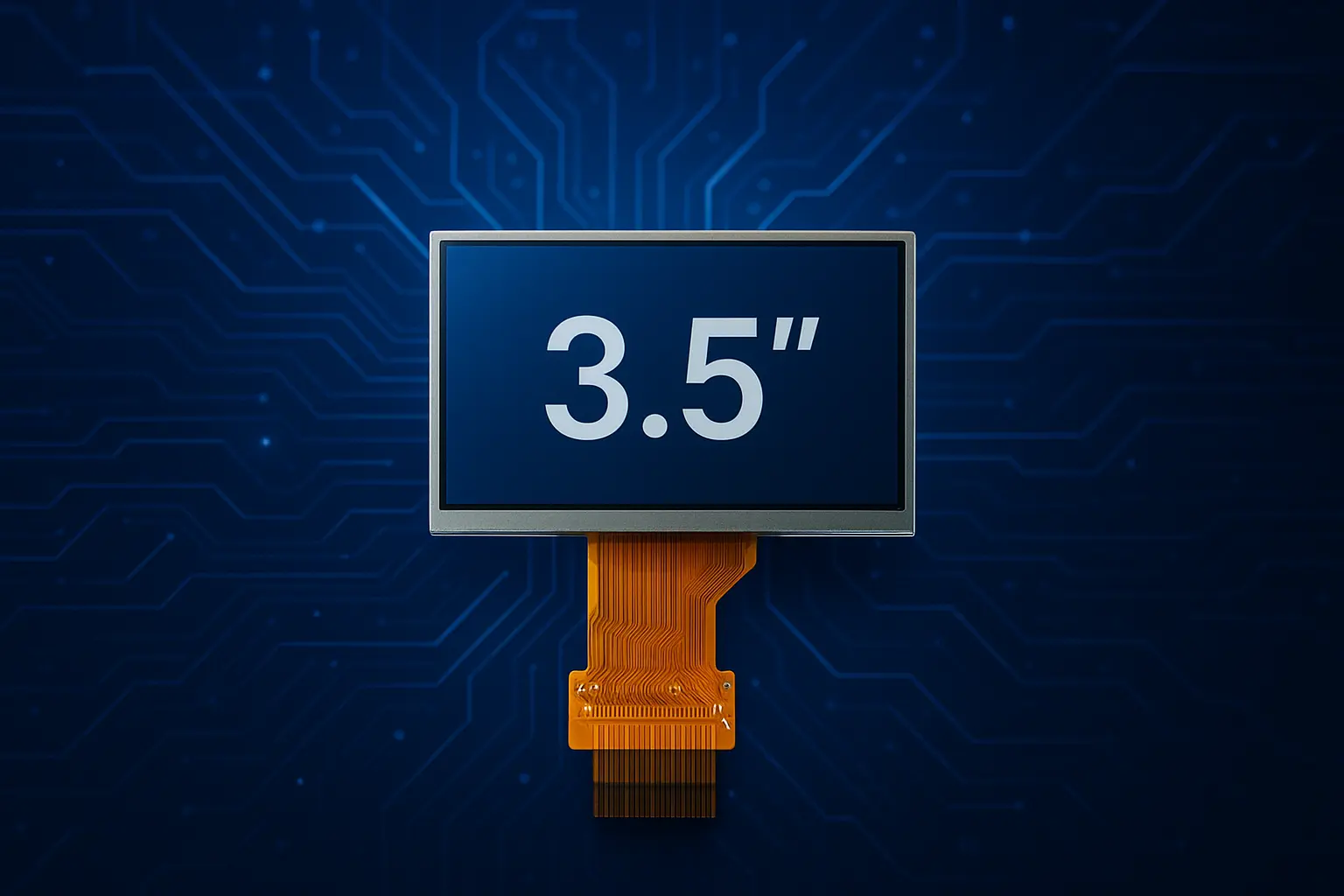
| Display Size | 3.5 inches |
| Resolution | 1240(RGB)×800 |
| Pixel Size | 0.06(H)×0.06(V) mm |
| Interface Type | MIPI 4lane |
| Driver IC | FL5892C |
| LCD Type | a-Si |
| Operating Voltage | 3.3V |
| Operating Temp | -20°C~70°C |
| Storage Temp | -30°C~80°C |
| Backlight Type | White LED (12 pcs) |
| Transmittance | ≥86% |
| Cover Glass Material | Asahi Glass |
| Viewing Direction | All angles |
From "Needs Pain Points" to "Exclusive Solution": The Story Behind Customization
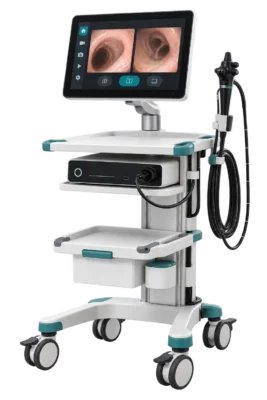
This 3.5 inch LCD module came from a medical company’s special need. They were developing a new laryngoscope. They needed a display matching the probe’s resolution 1:1. This ensures lesion details are fully shown on the screen, offering the most accurate visual support for diagnosis. But market research showed: 1240(RGB)×800 resolution in 3.5-inch size was unavailable. Regular glass molds couldn’t meet this precision. And laryngoscopy’s need for "1:1 reproduction" made "lowering resolution" impossible.
After getting the request, we first synced deeply with the client. We learned the laryngoscope probe’s parameters, clinical scenarios, and annual demand. Based on this data, we quickly started a "custom feasibility assessment". We checked mold opening costs, production cycles, and mass production stability. Finally, considering the client’s long-term demand scale, we proposed a "custom glass mold" solution. We followed the whole process from design, sampling to mass production. This ensured every pixel perfectly matched the probe’s parameters.
Customization Capability: Our Core Strength
This product isn’t available to the public yet. It shows our customization strength:
Precise needs matching: Not limited to standard products. We understand clients’ scenarios (like laryngoscopy needs). We "tailor" from parameter sources.
Feasibility execution: Facing "unprecedented" needs, we turn "impossible" into actionable plans via data evaluation (demand volume, cost sharing).
Full-chain collaboration: From glass mold customization, driver IC adaptation to optical debugging. We integrate supply chains to ensure stability and mass production.
In fields like medical devices, where precision and reliability matter most, "customization" is more than technical ability. It’s deep respect for client needs. We believe only by rooting in clients’ scenarios can we create truly valuable solutions.
If you have special display needs, talk to us. Maybe your next "exclusive solution" starts here.
Custom 3.5-Inch Medical LCD FAQs
Can I buy the 91-03521-BH1 laryngoscope display described in the article?
This module is shown as a private-mold project and the article lists it as unavailable to the public. Share your display outline, video format and project volume so we can review a standard option or scope a separate custom design.
What should I provide if a camera image must map one-to-one to the display?
Send the active output resolution, frame rate, orientation and the host's display interface. Identify whether the UI adds borders, overlays or cropping. Use a test image through the complete capture and display chain to verify pixel mapping before approving a design.
How should we plan samples for a custom medical-device display?
Agree on the optical, mechanical and interface checks for each sample revision. Provide your application's viewing conditions, cover and cleaning requirements. The device team should verify the integrated image and usability requirements using the finished device and its own acceptance plan.

